WELCOME TO PNG INSIGHT

STEM Education in Papua New Guinea and the Transition to Standards-Based Curriculum

In the evolving landscape of education, the integration of STEM (Science, Technology, Engineering, and Mathematics) subjects has become a global priority, and Papua New Guinea (PNG) is no exception. 

As a nation rich in cultural diversity and natural resources, PNG recognises the importance of equipping its youth with the skills and knowledge to thrive in an increasingly technological world. 

The implementation of STEM education within the country's education system marks a significant step toward achieving this goal.

STEM Education in Papua New Guinea and the Transition to Standards-Based Curriculum


Exploring STEM Subjects in PNG: A Holistic Approach to Learning

STEM education in PNG encompasses a comprehensive range of subjects, collectively aimed at nurturing critical thinking, problem-solving, and innovation among students. The core STEM subjects studied in PNG include:

1. English - Language & Literature: Effective communication is a cornerstone of success in any field. English language and literature provide students with the tools to express themselves articulately and comprehend complex ideas.


2. Mathematics: Mathematics is the language of patterns, logic, and quantitative analysis. It provides the foundation for understanding and solving real-world problems.


3. Science (Biology, Chemistry, Physics): The sciences unlock the mysteries of the natural world. Biology, chemistry, and physics cultivate an understanding of life, matter, and energy, fostering curiosity and scientific inquiry.


4. Technology (ICT): In an era dominated by technology, information and communication technology (ICT) skills are essential. Students learn to harness the power of digital tools and navigate the digital landscape.


5. Engineering: Engineering principles drive innovation and the creation of solutions to complex challenges. Engineering education encourages a hands-on, practical approach to problem-solving.


Furthermore, the curriculum can expand to include additional subjects based on the specific offerings of educational institutions. However, these core subjects constitute the foundation of STEM education in PNG.

SBC TEXT BOOKS - Transition to Standards-Based Curriculum


Embracing Change: The Shift to Standards-Based Curriculum (SBC)

Recognising the need for a comprehensive educational framework that aligns with global best practices, PNG's education department is undergoing a transformative shift from the outcomes-based curriculum (OBC) to the standards-based curriculum (SBC). This transition reflects a commitment to providing a more structured, cohesive, and learner-centered educational experience.

The SBC is built upon a hierarchy of learning standards, each serving a distinct purpose:

1. National Aims and Goals: These overarching aspirations guide the entire education system, setting the direction for student development and societal progress.


2. Content Standards: These define the specific knowledge and skills students are expected to acquire at each grade level.


3. Benchmarks: Benchmarks outline the expected milestones of student progress, serving as checkpoints to assess achievement.


4. Evidence Outcomes: These outcomes articulate the tangible skills and abilities students should demonstrate to showcase their learning.


5. Topic/Learning Objectives: Objectives break down content into manageable units, enabling focused instruction.


6. Lesson Objectives: Lesson objectives guide daily teaching and learning activities, ensuring alignment with broader goals.


7. Performance Standards/Indicators: These indicators offer criteria for evaluating student mastery of concepts and skills.


Cultivating Essential Skills and Values

The SBC places emphasis not only on academic proficiency but also on the development of vital skills and values. Students are encouraged to cultivate:

Cognitive Skills: Critical thinking, creativity, and problem-solving abilities are nurtured to foster a deep understanding of complex issues.


21st Century Skills: In a rapidly evolving world, skills such as adaptability, collaboration, and technological literacy are crucial for success.


STEAM Principles and Skills: STEM education is enriched by incorporating arts and design (STEAM), promoting interdisciplinary thinking and holistic innovation.


Spiritual Values and Virtues: Ethical and moral values are integrated into the curriculum to shape responsible and compassionate citizens.


Communication Skills: Proficiency in reading, writing, and effective communication prepares students to express ideas clearly and persuasively.


Essential Values and Attitudes: The SBC instills qualities like resilience, empathy, and a commitment to lifelong learning.


Curriculum Connections: Unifying Learning Objectives

The transition to SBC brings about a fundamental shift in education delivery. The focus is on understanding and making connections between various aspects of learning. 

The formulation of learning standards is intricately linked to national aims, goals, and overarching principles. 

The curriculum is designed to empower students to navigate the complexities of the modern world, contribute to sustainable development, and drive positive change.


STEM Education in Papua New Guinea and the Transition to Standards-Based Curriculum

In conclusion, the introduction of STEM education in PNG and the subsequent shift to the standards-based curriculum signal a progressive leap toward holistic, learner-centric education. 

As PNG continues to evolve on its educational journey, the integration of STEM principles and the standards-based curriculum will undoubtedly play a pivotal role in shaping the nation's future.

10 Best Wishes for Exam

Exams can be a stressful time for students of all ages. However, there are a few things that you can do to wish them the best of luck and help them feel more confident. 

Here are 10 of the best wishes for exams:

wishes for exams - 10 best wishes


1. Good luck!

This is the most classic exam wish, and it's always a good choice. It's short, sweet, and to the point.

2. You've got this!

This wish is a bit more specific, and it's a good way to show that you believe in the student's abilities.

3. Remember all your hard work.

This wish is a reminder that the student has put in the time and effort to prepare for the exam, and that will pay off.

4. Stay calm and focused.

It's important for students to stay calm and focused on the day of the exam. This wish can help them remember to do so.

5. Read each question carefully.

This wish is a reminder to take the time to read each question carefully and make sure that they understand it before answering.

6. If you don't know the answer, don't panic.

It's perfectly normal not to know the answer to every question. If a student is unsure, they can skip the question and come back to it later.

7. Check your work before submitting it.

It's important to take a few minutes to check your work before submitting it. This can help catch any careless mistakes.

8. I'm proud of you, no matter what.

This wish is a reminder that the student is loved and supported, regardless of the outcome of the exam.

9. You're going to do great!

This wish is a simple but effective way to express your confidence in the student.

10. I'm here for you if you need anything.

This wish lets the student know that you're there to support them, both before and after the exam.


When wishing someone good luck on their exam, it's important to be sincere and supportive. Your words can make a big difference in their confidence and performance.

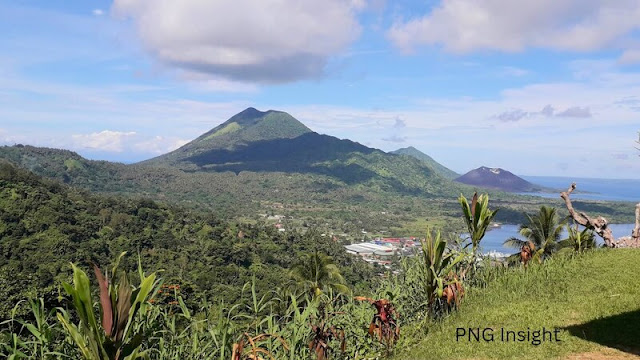
Papua New Guinea's Rabaul Volcano Eruption: Mt Tavurvur

The dawn of August 29, 2014, started like any other day in the town of Rabaul, nestled against the picturesque backdrop of Mount Tavurvur in Papua New Guinea. However, this tranquil morning was destined to be etched in history as one of the most significant events for the resilient people of this volcanic region.

Mt Tavurvur Volcano Eruption - Papua New Guinea
IMAGE: Start of the Climb to the Top | Mt Tavurvur


Papua New Guinea's Rabaul Volcano Eruption: Mt Tavurvur

Mount Tavurvur, a formidable stratovolcano, had been both a source of wonder and concern for the residents of Rabaul. Its majestic slopes and lush vegetation held secrets of its tumultuous past – a past punctuated by eruptions that had shaped the landscape and the community. 

In 1994, its fiery fury had wreaked havoc upon Rabaul, leaving scars that the town had courageously borne. But little did anyone know that another eruption was lurking beneath its serene exterior, preparing to awaken.

As the morning sun painted the skies with shades of gold, the earth began to tremble, sending ripples of unease through the town. Locals who had witnessed the first devastating eruption of 1937, were on edge, wary of the signs nature was displaying. 

"We've been through this before," Maria whispered to Samuel, clutching his arm as they watched the distant plume of ash rising from the heart of the mountain.


Local leaders in forefront at a time of need

News spread quickly through the town, and leaders like Mayor Simon and volcanologist Dr. Rodriguez swung into action. Roads leading to safer areas were marked, and evacuation plans were set in motion. 

The memory of the 1937 eruption was fresh in their minds, a reminder of the importance of preparedness. 

"We can't afford to wait. We need to act swiftly to ensure the safety of our people," Mayor Simon declared.

The rumbling of the earth escalated, and by 6:00 AM, the mountain roared to life. The sky turned dark as ash and smoke billowed into the atmosphere, blocking out the sun's rays. The ground shook violently, and the town was thrown into chaos. People scrambled to gather their belongings and make their way to the designated evacuation centers.

With remarkable unity, the residents of Rabaul, led by local leaders and officials, embarked on a journey of survival. The spirit of community shone brightly as families opened their homes to those who had lost everything. 

The churches, particularly the Catholic Church under the guidance of Archbishop Carl Henn, became beacons of hope, providing shelter, food, and comfort to the displaced.


Rabaul Volcanological Observatory Volcanologist

Volcanologist Dr. Rodriguez, despite being hindered by the thick blanket of ash, managed to communicate vital information about the eruption's progression. 

"This eruption is comparable in scale to the 1994 event," he explained. "We're closely monitoring lava flow and seismic activity to ensure the safety of everyone."

The eruption had caught even the national government off guard, prompting Prime Minister Rabbie Namaliu (who was also the member for Kokopo) to visit Rabaul, accompanied by other officials, to assess the situation firsthand. Upon returning to Port Moresby, Prime Minister Namaliu declared a state of emergency, ensuring that resources were swiftly directed towards relief efforts.

Mt Tavurvur Volcano Eruption - Rabaul Volcanological Observatory Volcanologist Volcanologist Dr. Rodriguez, despite being hindered by the thick blanket of ash, managed to communicate vital information about the eruption's progression.
IMAGE: View from the Rabaul Volcanological Observatory


Australia and the international community help

Australia and the international community, deeply moved by the catastrophe, extended their support. Aid and supplies arrived at Tokua Airport, a lifeline for the affected communities. The disaster, while testing the limits of preparation and response, showcased the resilience and unity of the Papua New Guinean people.

Days turned into weeks, and as the ash settled, the true extent of the damage became evident. Though the eruption had caused widespread destruction, the loss of life remained remarkably low, a testament to the swift action and preparedness of the people.

As the healing process began, the people of Rabaul looked to the future with determination. The lessons learned from this eruption would serve as a blueprint for facing the uncertain future that the volatile region held. 

Mount Tavurvur, a mountain of both beauty and danger, had once again reminded its residents of their strength and resilience in the face of adversity.


Story of Rabaul's volcanic eruption

The story of Rabaul's volcanic eruption serves as a poignant reminder that nature's fury can strike at any moment. 

Preparedness, unity, and a shared sense of responsibility can make all the difference in overcoming the challenges presented by such events. 

As Papua New Guinea continues to forge its path forward, the courage and determination displayed by the people of Rabaul stand as a source of inspiration for generations to come.


PNG Insight compiles this story of Rabaul's volcanic eruptions from online sources to draw attention to the dangers of volcano eruptions in Papua New Guinea, especially in the New Guinea Island Region and Manam Island in the Momase Region.

When do election results come out: 2023 New Zealand elections

The polls close at 7pm on Saturday October 14. The Electoral Commission will start counting the advance votes from 7pm on election day, and the first results are expected to be posted around 7.04pm. The Commission aims to post results from 50% of voting places by 10pm and 95% by 11.30pm.

However, it may take several days to count all of the votes, including special votes, which are cast by people who are not able to vote on election day. The official results of the election will be published on Friday November 3.

when do election results come out


How reliable are the early results?

The early results are generally reliable, but they should be approached with caution, especially for individual electorates. The party vote, on the other hand, is based on a large sample size of advance votes, so it is more likely to be accurate.


Coalition talks and formation of goverment?

Coalition talks can begin as soon as the results are known. However, in some cases, parties may wait until the special votes have been counted before starting negotiations. This is because the special votes can sometimes change the balance of power in Parliament.

Coalition talks can last anywhere from a few days to several weeks. The longest negotiations in New Zealand history were after the first MMP election in 1996, when it took two months to form a government.


What did the last polls say?

The last polls before the election pointed to a National victory, but one that would require support from both Act and NZ First to govern.

POST A COMMENT.

SEARCH THE ENTIRE SITE HERE

Public Holidays in PNG 2025

Public Holidays in PNG 2025
CLICK ON THE IMAGE TO GET THE LATEST INFORMATION