WELCOME TO PNG INSIGHT

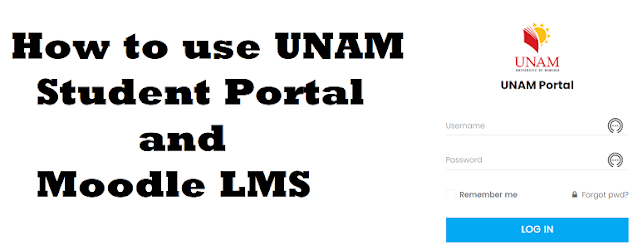
UNAM Portal Login: Accessing UNAM iEnablers for Success

The UNAM Portal is an essential tool for all UNAM students. It provides access to a variety of resources and services, including ''student iEnablers'', a vital support system that helps students succeed academically and personally.

iEnabler UNAM: Student Support Services for Academic and Personal Success


What are student iEnablers?

Student iEnablers are people or services that help UNAM students succeed. They include academic advisors, student support services staff, career counselors, financial aid counselors, tutors, mentors, and student life program coordinators.

Student iEnablers are important because they can help students overcome a variety of challenges, both academic and personal. For example, student iEnablers can help students:

  • Get involved in campus lift
  • Find internships and jobs
  • Develop effective study habits
  • Manage their time effectively
  • Choose the right courses and majors
  • Access financial aid and other resources


How to get the most out of student iEnablers:**

To access student iEnablers, students can simply log in to the UNAM Portal and click on the "Student iEnablers" link (here is detailed instruction, check it out). This will take students to a list of all available student iEnablers, along with their contact information.

Here are some tips for getting the most out of student iEnablers:

  • Be proactive and reach out to student iEnablers early on. The sooner you get help, the better.
  • Be specific about your needs and goals. Student iEnablers can help you achieve your goals more effectively if they know what they are.
  • Be open-minded to new ideas and suggestions. Student iEnablers have a wealth of experience and knowledge, so be willing to learn from them.
  • Be grateful for the time and assistance that student iEnablers provide. Student iEnablers are there to help you succeed, so make the most of the resources and services they offer.

UNAM Portal Login Student iEnablers - iEnabler UNAM: Student Support Services for Academic and Personal Success


Examples of how student iEnablers can help students succeed:

  • Academic advisors can help students choose the right courses and majors, develop a four-year plan, and track their progress towards graduation.
  • Student support services counselors can help students with personal challenges such as stress, anxiety, and depression.
  • Career counselors can help students develop a career plan, identify job opportunities, and prepare for interviews.
  • Financial aid counselors can help students access financial aid and other resources to help pay for their education.
  • Tutors can provide students with one-on-one help in specific subjects.
  • Mentors can provide students with guidance and support as they navigate college life.
  • Student life program coordinators can help students get involved in campus activities and clubs.


Conclusion

Student iEnablers are a valuable resource for all UNAM students. By accessing and using student iEnablers, students can increase their chances of success both academically and personally.


-----

Related stories for Namibia visitors

Recommended articles for Namibia students at Grade 11 and Grade 12 levels. Click on the blue links to get more information.

Women in Business in Papua New Guinea: Constraints and Challenges

The role of women in business and leadership in Papua New Guinea (PNG) has been a subject of exploration and analysis for many years. Find out what is Women in Business in PNG, and what are the Successful models, challenges, and empowerment initiatives. Learn about women entrepreneurs and their economic impact.

In this latest article, we take a look at other help available to 'Women in Business in Papua New Guinea. Click here to find out.

Women in Business in Papua New Guinea - are women successful in business in png - does png government assist women in business
PNG Insight photo file: Small Business Couple, Mt Hagen, WHP

To read about the Farmer in the photo above, click here.

Women in Business in Papua New Guinea

In October 2008, an AusAID study was conducted to profile women's businesses and explore issues faced by female entrepreneurs in the country.  

This article summarises the main findings of the study (link here, PDF) and presents recommendations for donors, the government, and non-governmental organisations (NGOs) to consider for empowering women in business and leadership in PNG.


Background on Women in PNG

The PNG government has made progress towards gender equality, with initiatives like the Equal Participation of Women plan in the PNG Constitution (Section 2, Paragraph 5). 

However, compared to other Pacific countries, PNG still faces significant challenges in achieving gender equality and women's empowerment. 

Factors such as cultural and social discrimination, limited resources, and lack of support from both men and women hinder the progress of women in business and leadership roles.


Women Doing Business in PNG - Key Barriers

Women entrepreneurs in PNG encounter various barriers that affect their economic development and business growth. The constraints on women's economic development stem from broader gender inequalities in the country. 

Limited access to productive resources, especially land, poses significant challenges for women. Moreover, women face difficulty in accessing finance and formal sector employment, with only a small percentage holding senior managerial positions.

Poor provision and maintenance of infrastructure, such as roads, transportation, and electricity, also hinder women's economic activities, especially in the informal sector. (Here is an example of a Road Connection in Western Highlands Province)

Women often become targets of unfair trading practices and anti-competitive behaviour, affecting their business operations. Lack of awareness of laws affecting business activity, poor legal support, and absence of sex-disaggregated data are additional barriers faced by women entrepreneurs.

Women in Busines in PNG - Find out what is Women in Business in PNG, and what are the Successful models, challenges, and empowerment initiatives? Learn about women entrepreneurs and economic impact.   should provinces support women in business
PNG Insight Photo File: Mothers Selling Strawberries near Roadside


Recommendations

To address the barriers faced by women in business and leadership, several recommendations have been proposed:

1. Access to Land/Property

Review gender-neutral or discriminatory land laws to promote women's economic empowerment. Prioritise widows in CEDAW (UN Convention on the Elimination of all Discrimination Against Women) shadow report consultations and provide assistance to rural and remote areas. Invest in legal aid offices and hotlines for widows.


2. Legal/Regulatory Issues

Conduct awareness-raising training on laws, legal processes, contracts, intellectual property, and Fair Trade, especially in the mining sector. Support capacity-building in PNG's legal system and land administration to address discriminatory land laws and practices.


3. Access to Finance and Business Training and Education

Conduct a feasibility study on women's business incubation centres and microloans such as SMEs. Offer business and financial mentoring to address cultural and familial challenges for women entrepreneurs. Study different entrepreneurial cultures in different provinces to develop appropriate program designs.


4. Access to Regional Value-Added Markets 

Assist farming communities in accessing Fair Trade and organic certified product markets. Coordinate trader tours to meet with craft, jewellery, and fashion producers to stimulate business partnerships.


5. Women's Business Advocacy and Networking

Support the establishment of a Women's Chamber of Business with provincial branches. Generate ideas for promoting women's business networks and networking opportunities. Engage media to promote positive stories of successful women entrepreneurs.


To read about why it is important for women to be empowered in business ventures, CLICK HERE

are woman successful in business in png


Summary

Empowering women in business and leadership in PNG requires addressing the key barriers they face. 

By implementing the recommendations provided in the study, the PNG government, donor agencies, and NGOs can create an environment that fosters gender equality, supports women's economic development, and promotes inclusive business growth. 

Supporting women in business and leadership roles will not only benefit individual women but also contribute to PNG's overall economic growth and development.


To find out about Business Colleges in PNG, click here. (How to apply, GPA requirement and all you need to know as a Grade 12 student wanting to study business at a college or university next year)


FAQs about Women in Business in PNG

1. What is Women in Business in Papua New Guinea?

Women in Business in Papua New Guinea refers to the participation of women in various economic activities, including entrepreneurship, formal and informal businesses, and agricultural endeavours. It encompasses women's roles as business owners, managers, and employees in the country's diverse economic sectors.


2. What are successful business models for women in PNG?

Successful business models for women in Papua New Guinea vary depending on the sector and location. Some successful models include women-owned microenterprises in the agricultural sector, women artisans and craft producers promoting Fair Trade and organic products, and women entrepreneurs in the service industry. Additionally, women who have access to financial literacy training, mentorship, and support networks tend to have better chances of success in business.


3. Who are the women in business in PNG?

Women in business in Papua New Guinea come from diverse backgrounds and communities. They include women entrepreneurs, farmers, artisans, small-scale miners, and women engaged in various service-oriented businesses. These women play a vital role in contributing to the country's economy and local communities.


4. What are the key challenges faced by women in business in PNG?

Women in business in Papua New Guinea face several challenges, including limited access to land and property rights, lack of financial literacy and business skills, difficulty accessing finance, and cultural barriers that limit their economic opportunities. They also need help in terms of infrastructure limitations, poor legal support, and limited networking opportunities.


5. How can women's economic empowerment be promoted in PNG?

To promote women's economic empowerment in Papua New Guinea, it is essential to address these challenges. This can be achieved through initiatives such as:

  • Reviewing and reforming gender-neutral or discriminatory land laws to ensure women's land ownership and decision-making rights.
  • Providing business training and financial literacy programs tailored to women's needs.
  • Creating women's business incubation centres and offering mentoring and support for women entrepreneurs.
  • Facilitating access to regional and international markets, such as Fair Trade and organic markets, for women producers and exporters.
  • Establishing a Women's Chamber of Business to promote networking and advocacy for women entrepreneurs.

Leave a comment and let us know what you think about Women in Business in Papua New Guinea or share your experience on PNG Insight. And importantly, do you think the PNG Government should assist women in business?


____

What National Exam is the PSAT Aligned With?

The PSAT, or Preliminary SAT, is a well-known test taken by high school students across the United States. While it carries the "SAT" name, it's important to understand that the PSAT is not aligned with a specific national exam itself. Instead, it serves a crucial role in preparing students for a particular standardized test: the SAT (Scholastic Assessment Test). Let's take a look at this relationship and what it means for students to clarify the question - ''What national exam is the PSAT aligned with?''


PSAT: Practice Test for the SAT

The primary purpose of the PSAT is to act as a practice test for the SAT. The SAT is a significant component of college admissions in the United States. It assesses students' readiness for college and is used by many colleges and universities as a key factor in their admission decisions.

High school students typically take the PSAT in their sophomore or junior year. While it's a valuable tool for SAT preparation, it also plays a role in the National Merit Scholarship Program. To be eligible for this prestigious scholarship program, students need to score in the top 1% of PSAT takers in their junior year.

It's important to note that, in terms of college admissions, the PSAT itself doesn't carry the same weight as the SAT. A low PSAT score won't negatively impact your college applications, but a low SAT score might. On the other hand, excelling on the PSAT can lead to National Merit recognition, which can be a significant achievement.


PSAT vs. SAT: Key Differences

While the PSAT and SAT share similarities, they also have some key differences:

  • Score Range: The PSAT is scored on a scale of 320-1520, whereas the SAT is scored on a scale of 400-1600. This means that the individual section score ranges differ as well.
  • Timing: The amount of time and the number of questions for each section differ between the two tests. The SAT is slightly longer and has more questions, but the amount of time allotted per question is generally the same.
  • The Essay: The SAT includes an optional essay, while the PSAT does not. Some colleges may require or recommend the SAT essay, so it's a crucial distinction between the two tests.
  • Level of Difficulty: While both tests assess similar content, the SAT tends to have more abstract, analytical questions compared to the more concrete questions found on the PSAT.

What National Exam is the PSAT Aligned With? - PSAT: Practice Test for the SAT - where can you find additional information on the psat


Logistics and Cost

The PSAT is typically administered once a year in October, while the SAT is offered multiple times throughout the school year, providing more opportunities for students to retake it and improve their scores. Also, the cost of the PSAT is generally lower than that of the SAT, although fee waivers are available for both tests.

In terms of administration, the PSAT is usually held at schools, whereas the SAT is administered at both schools and test centers. This difference in administration can be important for homeschooled students or those whose schools do not offer the PSAT.


What national exam is the PSAT aligned with?

So, all in all, the PSAT (Preliminary SAT) is not aligned with a specific national exam. Instead, it is designed to be a practice test for the SAT (Scholastic Assessment Test), which is a standardized college admissions test commonly used in the United States. 

The PSAT is often taken by high school students, typically in their sophomore or junior year, as a way to prepare for the SAT and to potentially qualify for National Merit Scholarship Program recognition. 

In conclusion, while the PSAT and SAT share similarities, they have distinct purposes, score ranges, and logistical considerations. Understanding these differences can help students effectively prepare for both tests and make informed decisions about their college admissions journey.

US News Law School Ranking 2024: Analyzing the Top 10 and Changes in Methodology

The release of the annual U.S. News Law School Ranking is a significant event in the legal education landscape, eagerly awaited by aspiring law students, educators, and legal professionals. The ranking provides valuable insights into the perceived prestige and quality of law schools across the United States. 

In 2024, the U.S. News Law School Ranking saw some notable changes in methodology and shifts in the rankings, shedding light on the evolving landscape of legal education. 

In this article, we list the top 10 law schools according to the 2024 ranking, explore the key changes in the methodology, and discuss the pros and cons of using rankings to make informed decisions about law school choices.

US News Law School Ranking 2024 - thomas jefferson school of law ranking

Click here to read about How to Apply Criminal Justice Programs in the US


The Top 10 Law Schools in the U.S. According to the U.S. News Law School Ranking 2024

The U.S. News Law School Ranking for 2024 brought forward a dynamic and competitive list of law schools, revealing both familiar names and some surprising changes. 

The top 10 law schools according to the 2024 ranking are as follows:

1. Stanford University (Tied for 1st)

2. Yale University (Tied for 1st)

3. University of Chicago

4. University of Pennsylvania (UPenn)

5. Harvard University (Tied for 5th)

6. New York University (NYU) (Tied for 5th)

7. Duke University (Tied for 5th)

8. Columbia University (Tied for 8th)

9. University of Virginia (Tied for 8th)

10. University of California—Berkeley (Tied for 10th)

    Northwestern University (Tied for 10th)

    University of Michigan—Ann Arbor (Tied for 10th)


These rankings reflect a notable shift from previous years, with Columbia University experiencing the most significant drop from the top 5 to number 8. 

On the other hand, Duke University made a remarkable leap from number 11 to number 5, showcasing the dynamic nature of law school rankings.


Changes in Methodology for 2024

The 2024 U.S. News Law School Ranking introduced substantial changes to its methodology, resulting in a more consolidated ranking with increased emphasis on certain metrics. Noteworthy changes include:

1. Student Outcomes Metric:

The weight assigned to student outcomes increased from 26% to a substantial 58%. This metric encompasses employment 10 months after graduation and first-time bar passage rates, highlighting the importance of practical success for graduates.


2. Quality Assessment:

The quality assessment, which includes peer assessment and assessments from lawyers and judges, saw a decrease in weight from 40% to 25% of a school's rank.


3. Student Selectivity:

The metric evaluating LSAT scores, GPA, and acceptance rates dropped from 21% to 10% in the ranking calculation.


4. Resources Metric:

The resources metric, encompassing student-faculty ratio and student librarian ratio, saw a reduction in weight from 13% to 7%.


5. Expenditures and Financial Aid:

Expenditures per student and financial aid per student were eliminated from the ranking entirely.


These changes reflect a shift towards prioritizing practical outcomes and a reconsideration of factors like peer assessment in the ranking calculation. The increased focus on student outcomes underscores the importance of law schools in preparing graduates for the challenges of legal practice.

university of baltimore law school ranking george mason university law school ranking

Here are the top 10 highest paying jobs for Criminal Justice Degree Holders in the US, check it out.


Pros Choosing a Law School Based on Rankings:

  • Initial Prestige: Higher-ranked law schools often have a strong reputation and may offer enhanced networking opportunities and potential career advantages.
  • Resources and Opportunities: Higher-ranked schools tend to have more resources, leading to better facilities, faculty, and opportunities for experiential learning.
  • Employment Prospects: A higher-ranking law school may provide better access to legal job placements and higher starting salaries.


Cons of Choosing a Law School Based on Rankings:

  • Limited Focus: Rankings may not consider a school's specific programs, faculty expertise, or specialties, which might be crucial for a student's career goals.
  • Inflated Focus on Rank: Overemphasis on rankings may divert attention from factors such as financial aid, location, and practical experience.
  • Fluctuating Nature: Rankings can change drastically from year to year due to evolving methodologies, making long-term decisions based solely on rankings risky.


US News Law School Ranking 2024

The U.S. News Law School Ranking for 2024 offers a comprehensive overview of the top law schools in the United States and the evolving landscape of legal education. 

With changes in methodology emphasizing student outcomes and practical success, aspiring law students must recognize the limitations and benefits of relying solely on rankings. While rankings provide a snapshot of a law school's perceived prestige, they should be just one among many factors considered when making decisions about legal education. 

Importantly, the pursuit of legal education should align with personal values, career ambitions, and the desire to make a positive impact on the legal profession.

POST A COMMENT.

SEARCH THE ENTIRE SITE HERE

Public Holidays in PNG 2025

Public Holidays in PNG 2025
CLICK ON THE IMAGE TO GET THE LATEST INFORMATION