WELCOME TO PNG INSIGHT

Latest PNG Ministers Portfolio List 2024 PDF Download

Here is the list of the PNG (Papua New Guinea) ministers according to their ministries, in ascending order, with the Prime Minister and Deputy Prime Minister at the top. (Updated, July 2023)
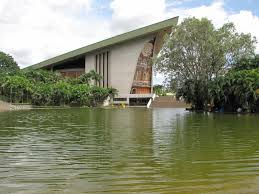
png ministers portfolios list 2024 pdf download


  • 1. James Marape - Prime Minister and Minister for Planning
  • 2. John Rosso - Deputy Prime Minister and Minister for Lands Physical Planning and Urbanisation
  • 3. William Duma - Minister for State Enterprises
  • 4. Ian Ling Stuckey - Minister for Treasury
  • 5. Soroi Eoe - Minister for Provincial and Local Level Government Affairs
  • 6. Rainbo Paita - Minister for Finance and Implementation
  • 7. Richard Maru - Minister for International Trade and Investment
  • 8. James Marape  - acting Minister for Foreign Affairs
  • 9. Don Polye - Minister for Higher Education, Research, Science, and Technology and Sports
  • 10. Solan Mirisim - Minister for Works and Highway
  • 11. Pila Niningi - Minister for Justice and Attorney-General
  • 12. Walter Schnaubelt - Minister for Transport and Civil Aviation
  • 13. Kerenga Kua - Minister for Petroleum and Energy
  • 14. Jimmy Uguro - Minister for Education
  • 15. Joe Sungi - Minister for Public Service
  • 16. Salio Waipo - Minister for Forestry
  • 17. Henry Amuli - Minister for Commerce and Industry
  • 18. Peter Tsiamalili Jnr - Minister for Internal Security (Police and CIS merged)
  • 19. Dr Lino Tom - Minister for Health
  • 20. Kobby Bomoreo - Minister for Housing
  • 21. Jason Peter - Minister for Community Development, Religion, and Youth
  • 22. Timothy Masiu - Minister for Information and Communication Technology
  • 23. Jelta Wong - Minister for Fisheries and Marine Resource
  • 24. Win Daki - Minister for Defence
  • 25. Esi Henry Leonard - Minister for Tourism, Arts, and Culture
  • 26. Aiye Tambua - Minister for Agriculture
  • 27. Sekie Agisa - Minister for Livestock
  • 28. Francis Maneke - Minister for Oil Palm
  • 29. Joe Kuli - Minister for Coffee
  • 30. John Rosso  - acting Minister for Immigration and Citizenship
  • 31. Ano Pala - Minister for Mining
  • 32. Simon Kilepa - Minister for Environment, Conservation, and Climate Change
  • 33. Manasseh Makiba - Minister for Bougainville Affairs
  • 34. Minister for Labour and Employment - Kessy Sawang

Please note that this list is based on the information provided and the current date of July 2024. Ministerial appointments and changes may have occurred after this update.

Please leave a message below if you know of any recent changes.


TO DOWNLOAD THE 2024 PNG MINISTERS PORTFOLIO LIST, CLICK HERE, PDF.

Latest Changes 2024 July update

John Rosso  - acting Minister for Immigration and Citizenship: Papua New Guinea's Deputy Prime Minister, John Rosso, has taken on the role of Minister for Immigration and Citizenship following the suspension of Madang MP Bryan Kramer.

Kramer was found guilty of seven out of 12 misconduct allegations, including social media publications that scandalized the judiciary and accused former Prime Minister Peter O'Neill of filing a fake warrant of arrest. 


James Marape  - acting Minister for Foreign Affairs: Papua New Guinea's Prime Minister, James Marape, has assumed the role of acting Foreign Affairs Minister following the resignation of Justin Tkatchenko. 

Tkatchenko stepped down amidst widespread backlash over comments he made defending a video posted by his daughter on TikTok. The comments deemed racist and insulting, referred to critics as "primitive animals." The situation led to protests in PNG and calls for Tkatchenko's resignation. 


Agriculture in PNG: Unearthing the Past Agricultural Practices and Its Future Prospects

Agriculture in Papua New Guinea (PNG) has a long and fascinating history that dates back thousands of years. Archaeological excavations and research at Kuk, in the highlands of PNG, have provided valuable insights into the practices of the past, shedding light on the early cultivation techniques and land usage. 

This article explores the evidence of ancient agricultural practices at Kuk and what it means for the future of agriculture in PNG. It is based on ''The Case for 10,000-Year-Old Agriculture'' [PDF] in the Whagi Valley by Tim Denham, Jack Golson and Philip Hughes.

(Note that these practices are widely practised in present-day Whagi Valley and other parts of the Highlands of Papua New Guinea)

Kuk ditch and traditional agriculture practices in PNG


Unearthing the Past: Agriculture at Kuk 10,000 Years Ago

In 1974, while studying plantation drains at Kuk, archaeologists discovered evidence of human activities buried beneath grey clay. 

Excavations in subsequent years revealed a palaeochannel and a palaeosurface, unique features dating back 10,000 years. The palaeochannel, known as Kundil's Baret, was likely used for irrigation, while the palaeosurface, found adjacent to the channel, displayed signs of former agricultural plots.

The evidence suggests that people were manipulating the environment around Kuk 10,000 years ago. They engaged in forest clearance and dryland cultivation using a swiddening regime, which involved slash-and-burn techniques. These practices led to increased erosion and significant changes in the local landscape.

The palaeosurface features, such as pits, runnels, stakeholes, and postholes, indicate that people cultivated various edible plants, including taro, bananas, gingers, yams, and other vegetables and fruits. The presence of a stone pestle used to process starch-rich food plants further confirms their reliance on agriculture for sustenance.


The Debate: Wetland Agriculture or Modified Dryland Practices?

Archaeologists and researchers have debated the interpretation of the evidence at Kuk. Some believe that the palaeosurface features indicate the emergence of wetland agriculture, specifically focused on cultivating taro. Others argue that the practices observed were similar to extensive forms of plant exploitation or potentially swidden cultivation, with no significant distinction between dryland and wetland agriculture.

While the specific interpretation remains a subject of debate, all agree that the multidisciplinary evidence points to prehistoric plant exploitation and cultivation practices. The study of plant remains, the palaeoecological signals, and the archaeological remains at Kuk offer valuable insights into the early agricultural activities in PNG.


Sustainable Agriculture and Food Security

Understanding the practices of the past can inform the future of agriculture in PNG. The ancient cultivation techniques at Kuk, focused on diverse crops for sustenance, resonate with modern concepts of sustainable agriculture and food security. 

The historical reliance on a wide variety of crops highlights the importance of crop diversity in mitigating risks associated with climate change and other challenges.

Learning from the past, modern agricultural practices in PNG can be diversified, promoting the cultivation of various traditional crops alongside modern varieties. 

agriculture in papua new guinea

Implications for the Future of Agriculture in PNG

Adopting sustainable farming methods, such as agroforestry and crop rotation, can enhance soil fertility and prevent erosion, contributing to long-term agricultural productivity.

By combining the knowledge of past practices with contemporary agricultural innovations, PNG can build a resilient and sustainable agriculture sector, ensuring food security and prosperity for future generations.

Drawing lessons from the past, PNG has the opportunity to develop a robust and sustainable agricultural sector.


Agriculture in PNG

Agriculture in Papua New Guinea has a rich history that spans thousands of years. The discoveries at Kuk provide a glimpse into the past practices of land usage and cultivation techniques. 

The evidence suggests that early farmers engaged in diverse agricultural activities, focusing on a variety of crops to sustain their communities.

By promoting crop diversity and adopting eco-friendly practices, the future of agriculture in PNG can be cultivated to ensure the prosperity and well-being of its people for generations to come.

Papua New Guinea Population Estimate 2021

The provided text contains information about the Population Estimates 2021 for Papua New Guinea (PNG) produced by the National Statistical Office (NSO).  It's important to note that the Population Estimates 2021 for PNG were generated through the use of satellite images and surveys. 

The data is crucial for decision-making and planning at various levels of government and institutions, contributing to the country's development goals. The estimate's accuracy is acknowledged, but it is also recognised that a complete census remains the most reliable data source.


PNG's Total Population in 2021: 11,781,559

   - Males: 6,142,585

   - Females: 5,638,974

This estimate is higher than the predicted population figures from the CIA World Factbook (2022, Wikipedia.org) we used here.

Papua New Guinea Population 2021


Population Key Indicators (2021 Estimates)

Each of the figures in the Population Key Indicators provides valuable information about the age and gender distribution of the population in Papua New Guinea in 2021. 

Let's explain each of these indicators:

1. Sex Ratio (Male to Female): 108.9

This figure represents the number of males for every 100 females in the population. In this case, the sex ratio is 108.9, indicating that there are approximately 108.9 males for every 100 females in the country. 

A sex ratio greater than 100 indicates that there are more males than females in the population.


2. Percentage of Working Age Population (15 to 64 years old): 61.6%

This percentage represents the proportion of the population that falls within the working-age group, which is typically considered to be between 15 and 64 years old. 

In this case, 61.6% of the population is within this age range and is likely to be part of the labour force and actively contributing to the economy.


3. Percentage of Older Population (65 years old and over): 2.7%

This percentage represents the proportion of the population that is 65 years old and older. It indicates the share of elderly individuals in the total population. 

A higher percentage suggests that the population is ageing, which can have implications for healthcare, social services, and pension systems.


4. Percentage of Youth (15 to 24 years old): 21.6%

This percentage represents the proportion of the population that falls within the youth age group, typically considered to be between 15 and 24 years old. 

This demographic segment includes young adults who are transitioning from adolescence to adulthood and may be pursuing education or entering the workforce.


5. Total Dependency Ratio (0-14 + 65 years old) / 15-64 years old: 62.4%

The total dependency ratio is a measure of the economic burden on the working-age population. It is calculated by dividing the combined number of individuals aged 0 to 14 (children) and 65 years and over (elderly) by the number of individuals aged 15 to 64 (working age). 

In this case, for every 100 working-age individuals, there are 62.4 dependents who are either too young or too old to participate in the labour force.


6. Children Dependency Ratio (0-14 / 15-64 years old): 58.1%

The children dependency ratio specifically measures the burden on the working-age population due to children (aged 0 to 14). It is calculated by dividing the number of children by the number of working-age individuals. 

A higher ratio indicates a larger proportion of children dependent on the working-age population.


7. Old-Age Dependency Ratio (65 years old and over / 15-64 years old): 4.3%

The old-age dependency ratio measures the burden on the working-age population due to elderly individuals (aged 65 and over). It is calculated by dividing the number of elderly individuals by the number of working-age individuals. 

A higher ratio indicates a larger proportion of elderly dependents on the working-age population.


8. Median Age (Both Sexes): 21.2

Median age represents the midpoint of the age distribution, where half of the population is older than the median age, and half is younger. 

In this case, the median age for both sexes is 21.2 years, suggesting a relatively young population.


9. Median Age (Male): 20.8

The median age specifically for males, which is 20.8 years. This indicates that the midpoint of the male age distribution is 20.8 years.


10. Median Age (Female): 21.7

The median age specifically for females, which is 21.7 years. This indicates that the midpoint of the female age distribution is 21.7 years.


11. Percentage of Population Aged 18 and Over: 57.2%

This percentage represents the proportion of the population that is 18 years old and older. It indicates the share of adults in the total population who are eligible to participate in various legal and social activities.


12. Percentage of Women of Reproductive Age (15 to 49 years old): 55.3%

This percentage represents the proportion of women in the population who are within the reproductive age range of 15 to 49 years old. 

This demographic segment is significant as it relates to issues concerning family planning, maternal health, and childbirth.

The population key indicators are essential for understanding the demographic composition of Papua New Guinea's population and can assist policymakers and planners in making informed decisions about various aspects of development, including healthcare, education, and social services.


How the Estimate is Calculated

The estimate is based on a series of different datasets and methods. The NSO uses recent, reliable population data collection exercises such as the Urban Structural Listing and Household Survey for the Long Lasting Insecticidal Net Distribution by Rotarians Against Malaria. 

Geographic and administrative characteristics, such as night-time lights, distance to health providers, and slope, are measured using aerial images collected from satellites. 

The relationship between population size and these characteristics is used to estimate the population in areas with limited data.


Accuracy of the Estimate

The Population Estimate has a 3% margin of error at the national level. However, it is emphasised that the estimate does not replace a National Population and Housing Census, which remains the most reliable source of information, providing not only population counts but also socio-demographic and economic characteristics at the lowest level of geographic subdivision of the country.

Papua New Guinea Main Cities and Towns (VIDEO INCLUDED)

Papua New Guinea (PNG) boasts a rich tapestry of cultures, breathtaking landscapes, and a vibrant urban scene. Here are the ten main towns and cities that represent the country's diverse regions.


1. Port Moresby (National Capital District)

Port Moresby stands tall as the capital city of Papua New Guinea and serves as the primary gateway for international visitors. Jacksons International Airport welcomes travellers worldwide, ushering them into this bustling metropolis. 

The city sprawls around the picturesque Fairfax Harbour, with its vibrant urban core scattered with government agencies, embassies, and iconic landmarks such as the National Parliament and the National Museum and Art Gallery. 

Recent development initiatives, driven in part by hosting the APEC summit in 2018, have resulted in waterfront housing and business projects like Harbourside and Harbour City, transforming the city's skyline. 

Port Moresby offers a wide range of accommodations, from luxurious hotels like Airways and The Stanley to budget-friendly options. 

Visitors can enjoy traditional PNG-style cuisine at restaurants like Mumu, and key attractions include vibrant local markets, the Port Moresby Nature Park, and the Loloata Private Island Resort.

2. Lae (Morobe Province)

As PNG's second-largest city, Lae holds prominence as a significant industrial hub and a vital cargo port. Situated in Morobe Province, Lae may be reached through Lae Nadzab Airport, located approximately 40 kilometres away. 

While its industrial importance is notable, Lae also offers an annual spectacle in the form of the Morobe Show, showcasing the region's cultural heritage.

Lae is the home of the PNG University of Technology.


3. Mount Hagen (Western Highlands Province)

Located in the picturesque Wahgi Valley, Mount Hagen is the capital of the Western Highlands Province. Although it ranks as the country's third-largest city, Mount Hagen retains a rural charm with a strong agricultural community. 

Travellers are welcomed at the Mount Hagen market, a vibrant centre for trade and commerce. 

Visitors can witness the colourful annual Mount Hagen Show, celebrating the cultural diversity of PNG.

4. Madang (Madang Province)

Madang beckons travellers with its stunning turquoise waters, white sandy beaches, and tranquil islands. Located in Madang Province, the town boasts some of the best diving and snorkelling opportunities in PNG. 

The annual Morobe Show is a major tourist attraction, showcasing the region's cultural richness. 

Additionally, Madang is home to the Divine Word University and the massive Ramu nickel mine.


5. Goroka (Eastern Highlands Province)

Known for its annual Goroka Show, a spectacular event featuring over 100 tribes, including the Asaro Mudmen, Goroka serves as the capital of the Eastern Highlands Province. 

Coffee production drives the local economy, and the town is a commercial and transportation hub for the region.

To read about the Bena Tribal People's Nose-bleeding and Cane Swallowing Rituals, click here

PNG Towns and Cities - and tribal riruals


6. Rabaul/Kokopo (East New Britain Province)

Rabaul and Kokopo, twin coastal towns in East New Britain, boast a scenic setting with islands, jungles, and volcanoes. 

Kokopo has taken over as the provincial capital since Rabaul was devastated by a volcanic eruption in 1984. 

These towns offer a myriad of attractions, from diving and snorkelling to war history and the National Mask Festival, which includes fire dancing.

7. Kimbe (West New Britain Province)

Located in West New Britain Province, Kimbe is a vibrant town known for its oil palm production, palm-fringed beaches and turquoise waters.

The province is home to the largest Oil Palm Company, New Britain Palm Oil, in the Pacific and the region, and the largest employer of Papua New Guineans.

The town is an ideal gateway to explore the surrounding natural wonders, including waterfalls and pristine coral reefs.


8. Wewak (East Sepik Province)

Wewak, the capital of East Sepik Province, is nestled along the isolated north coast of PNG. 

With a relaxed ambience and a subsistence lifestyle, Wewak provides access to the Sepik River, a major tourist attraction in the country. 

The region's turquoise waters, palm-fringed beaches, and enchanting waterfalls await exploration.


9. Kavieng (New Ireland Province)

Kavieng, located in New Ireland Province, Papua New Guinea, is a captivating coastal town renowned for its unspoiled beauty and warm hospitality. 

The town is served by Kavieng Airport, welcoming visitors to its stunning shores. Nusa Island Retreat, a paradise nestled just off the coast, offers an idyllic escape with pristine beaches and crystal-clear waters perfect for snorkelling and diving. 

Kavieng's friendly people embrace visitors with open arms, sharing their rich culture and traditions, making it an unforgettable destination for those seeking a true Papua New Guinean experience.


10. Alotau (Milne Bay Province)

As the provincial capital of Milne Bay Province, Alotau lies on the eastern tip of PNG. 

Surrounded by beautiful bay waters, this picturesque town offers a serene atmosphere and serves as a starting point for various island adventures and cultural experiences.


See PNG Insight's travel stories on YouTube for my personal PNG Travel (amateur) videos.

POST A COMMENT.

SEARCH THE ENTIRE SITE HERE

Public Holidays in PNG 2025

Public Holidays in PNG 2025
CLICK ON THE IMAGE TO GET THE LATEST INFORMATION